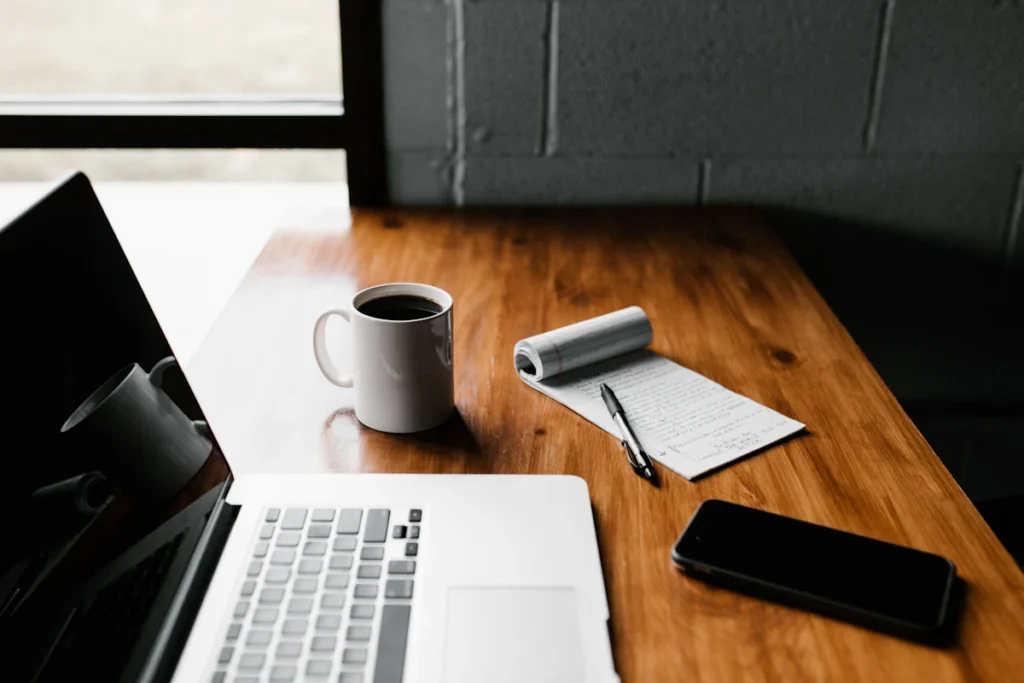
I finished a book last week that I almost abandoned twice. I am glad I did not, because one idea from it has been following me around ever since: your attention is the most valuable thing you own, and almost everyone is trying to take a piece of it.
Reading slower taught me more
I used to treat reading like a race. More books, more highlights, more lists. This time I tried something different. I read one chapter a day, and after each chapter I wrote two or three sentences in my notebook about what stayed with me. My reading speed dropped, but my remembering speed went up. A month later I can still explain the core argument of the book without opening it, which never happened when I was rushing.
The idea that stuck
The author made a simple point. We plan our money carefully, we plan our careers carefully, but we let our attention get spent by whoever shouts loudest. The notification decides, the feed decides, the trending topic decides. By evening we are tired without knowing what we actually did. Reading that felt uncomfortably accurate.
So I ran a small experiment. For one week, I kept my phone in another room for the first hour of the morning. That single hour became the most productive part of my day. I wrote more in seven days than I had in the previous month. Nothing magical happened, I simply stopped giving my best hour away for free.
How I choose books now
This book also changed how I pick my next read. Instead of asking what is popular, I ask what problem I am living with right now. A book that meets you in the middle of a real question hits differently than one you read because everyone else did. My reading list became shorter and far more useful.
If you take one thing from this post, take the notebook habit. Two sentences after every chapter. It feels slow, and that is exactly the point. Slow reading is not a weakness. For me, it turned out to be the whole secret.